
TKG Strategy
Need a strategy for your next legislative challenge? Schedule a consultation with Hardball Strategies: https://www.hardballstrategies.com/contact-us
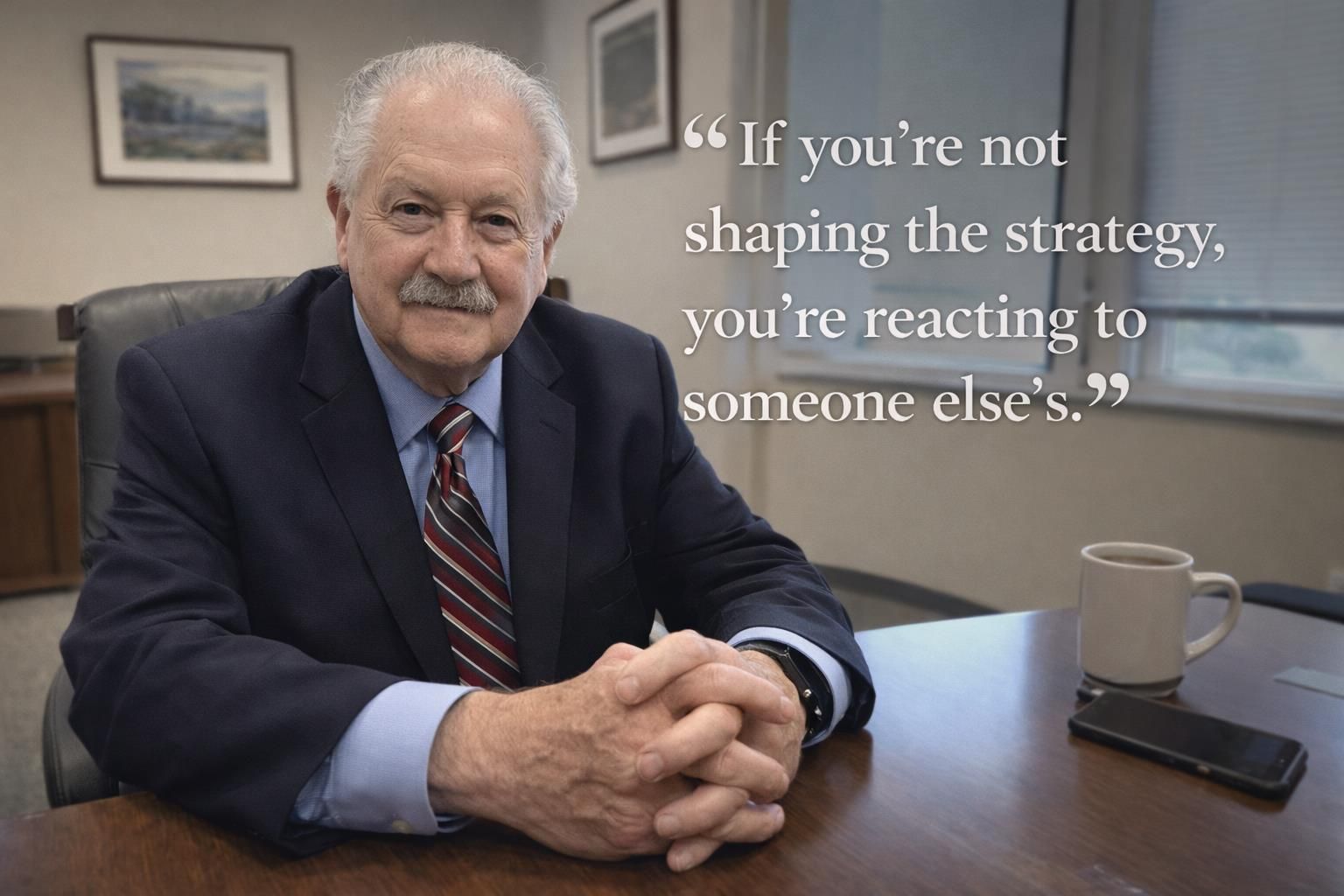
Being proactive in public policy isn’t about being the loudest voice in the room — it’s about being the most prepared. Too often, organizations find themselves reacting to proposals, amendments, or regulatory changes that were shaped without their input. By the time they engage, the framework is already built. Influence doesn’t start when a bill is filed; it starts long before that, with intentional positioning and disciplined planning.
Proactive leadership requires a clearly defined legislative strategy. That means identifying your objectives, mapping stakeholders, building coalitions, understanding committee dynamics, and anticipating opposition. It requires message discipline, timing, and sustained engagement — not sporadic outreach when something threatens your interests. Strategy is not a document that sits on a shelf; it is a living framework that directs action toward specific outcomes.
If you are not shaping the strategy, you are reacting to someone else’s. The organizations that consistently achieve their legislative goals are those that set the agenda, cultivate relationships early, and execute with focus. Proactive engagement isn’t optional in today’s environment — it’s the difference between influence and irrelevance.